Contents 4 sections
What do salon clients expect today? OPCO EP, the skills body for the beauty sector in France, surveyed 1,499 salon clients. A common thread emerges: a pleasant experience is no longer enough, they want a treatment designed for their skin.
These are French figures. Trends are probably similar in Belgium, but the figures cannot be transposed as they are.
- 77%
- of respondents ask for facials, the leading reason for a visit
- 91%
- consider a pleasant experience essential
- 52%
- consider it essential that their skin's specific needs are taken into account
Source: OPCO EP, study on changing client expectations in the beauty sector (France).
What do the figures say?
The facial remains the gateway: 77% of respondents ask for one, ahead of nails and hair removal (59% each) and body treatments (54%).
Pleasure comes first: 91% consider a pleasant experience essential. But right behind, 52% consider it essential that their skin's specific needs are taken into account, and 44% consider visible results essential.
Asked what salons could improve, 62% mention taking skin types into account and 59% advice on products, routines and techniques. In other words, clients want to understand their skin and know what to do at home.
A pleasant experience is no longer enough: the client wants to feel the treatment was designed for her.
Why diagnosis is the starting point
These figures all point to one step: the skin diagnosis. It is what lets you personalise the treatment, justify a protocol and recommend the right products.
- Choose the right treatment. Dry or reactive skin, shine, enlarged pores, uneven tone: each profile calls for a different protocol.
- Build a course. By comparing the skin from one session to the next, you show progress and make the client want to continue.
- Recommend a routine. Selling products becomes a natural extension of the treatment, not a sales pitch.
To go further, read our article on sensitive or sensitised skin: a concrete example of a diagnosis that changes the whole protocol.
Building diagnosis into your treatment menu
- 01Make real time to talk
A few minutes at the first appointment: routine, lifestyle, expectations. Listen. In the study, listening tops the list of relationship expectations.
- 02Observe, then measure
The therapist's eye remains irreplaceable. A skin analyser complements it: it objectifies what you see and keeps a record.
- 03Record and follow up
One record per client: skin type, treatments performed, products recommended. At each visit, you pick up where you left off.
- 04Explain in simple words
"Your skin lacks water", "your pores are more visible on the T-zone": clear sentences the client can repeat.
Equipment
Seeing what the eye cannot
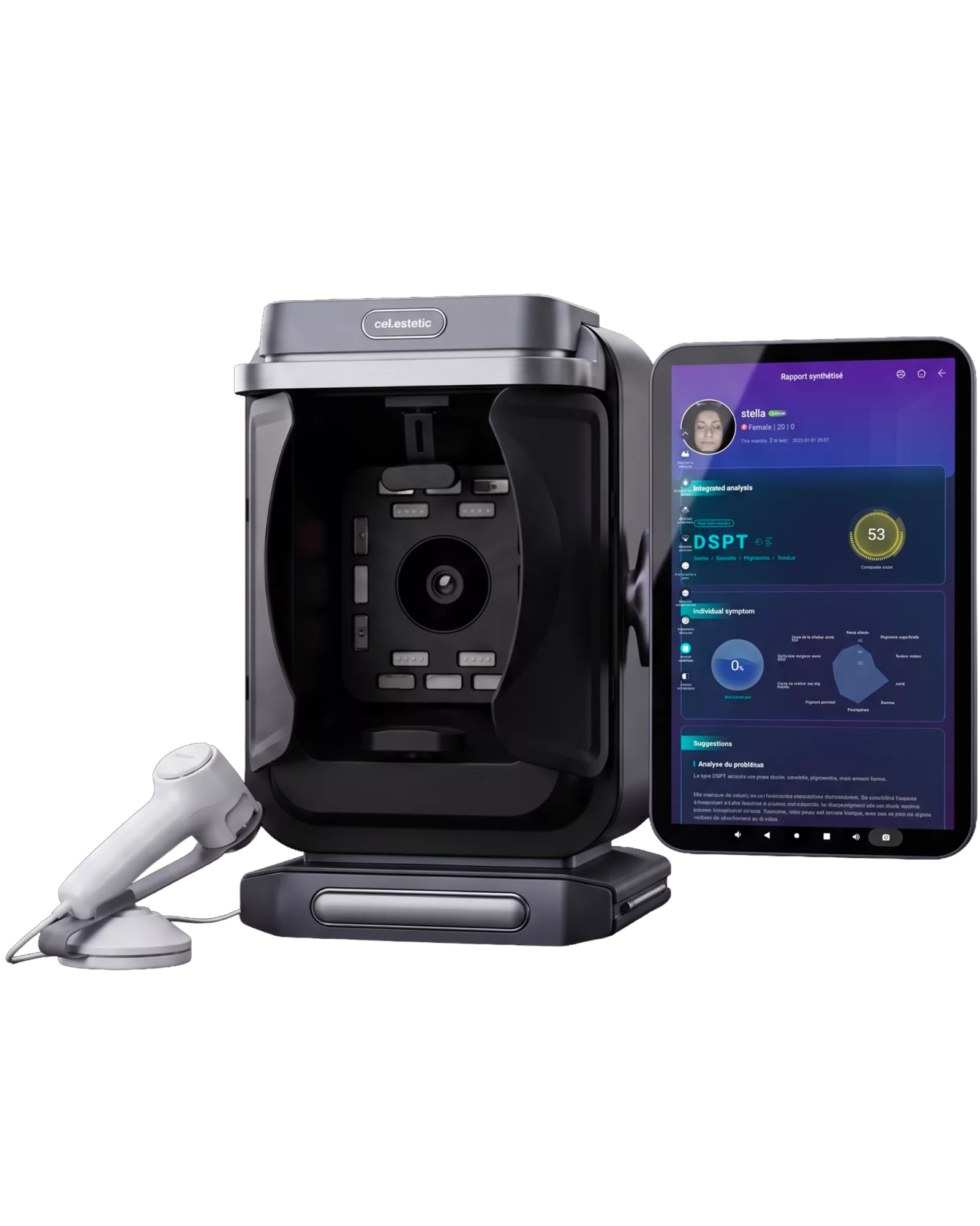
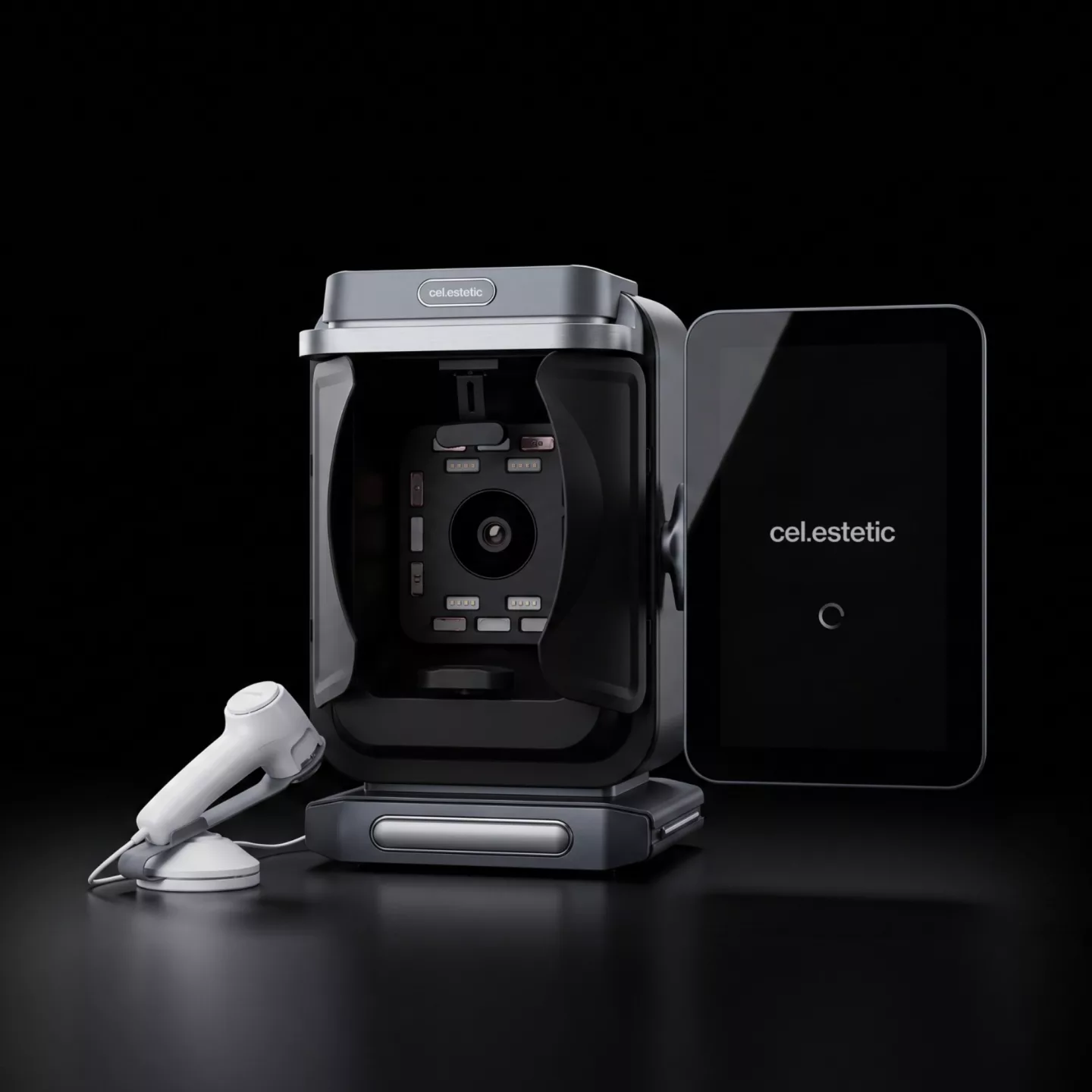
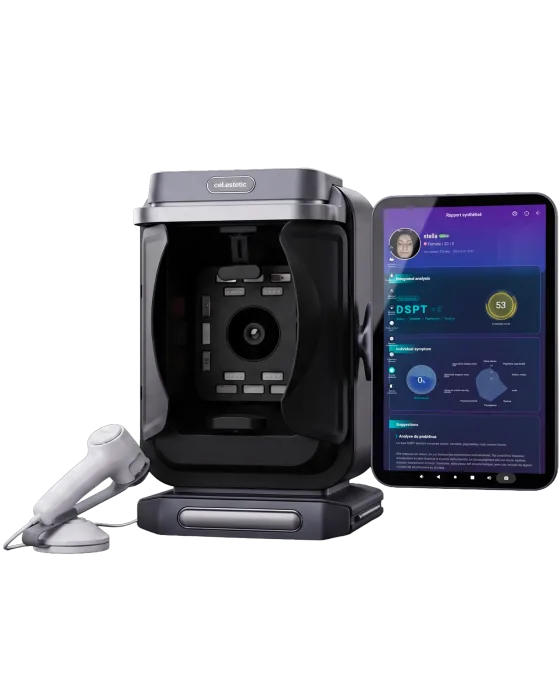
The Smart Skin Pro combines a 3D camera, eight light sources, a microscope and artificial intelligence to measure 17 indicators in about 5 to 7 minutes.
It then proposes a treatment plan, in the treatment room and at home, which you adjust with your products and expertise.
Training in skin diagnosis
Salons are used to training: according to the study, 60% use in-house training, 52% short courses and 46% courses offered by partner brands. Diagnosis deserves its place in that plan, because it can be learned and improves with practice.
The EAOT academy offers a Skin diagnosis course in Brussels and Aix-en-Provence.
Frequently asked questions
How long should a skin diagnosis take in the salon?
A few minutes of conversation at the first appointment, then a quick check at each visit. With an analyser such as the Smart Skin Pro, the analysis takes about 5 to 7 minutes.
Does an analysis device replace the therapist's eye?
No, it complements it. It measures, keeps a record and helps the client visualise her skin. Interpretation and advice remain your job.
Do these figures apply to Belgium too?
The study was carried out in France. Trends are probably similar, but the figures cannot be transposed as they are.
Further reading
 Appareil
Smart Skin Pro
An accurate skin diagnosis to personalise your treatments and advice
Formation
Diagnostic de la peau
Cette formation essentielle au métier de l’esthétique apportera des réponses concrètes à toutes vos questions, choix des traiteme…
 Article
Sensitive or sensitised skin: the diagnosis that changes the whole protocol
Both sting, redden and feel tight. But one is a predisposition, the other is skin damaged by excessive treatment. Telling them ap…
Source
OPCO EP study: client expectations
The full study on changing salon client expectations in France (in French).