Technology guide

Understand before you choose.

The principle, indications and limitations of each aesthetic technology, explained simply to help you choose the right device and treatment for your business.

Pillar

Laser hair removal: a guide to the technologies

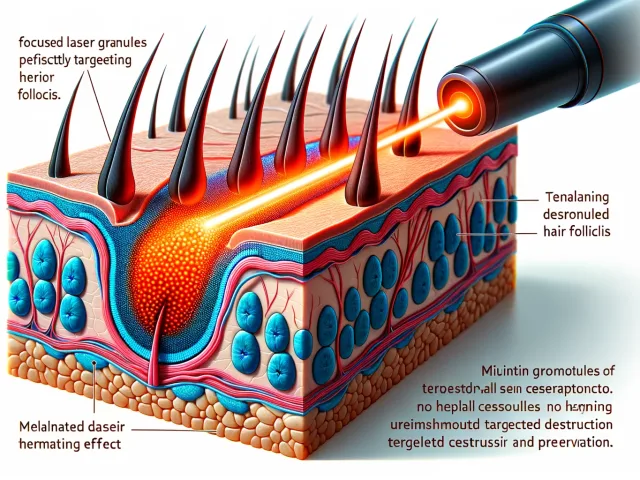
Alexandrite, diode, Nd:YAG, IPL: not all light-based hair removal technologies perform equally, depending on hair and skin. The guide to understanding them and advising well.
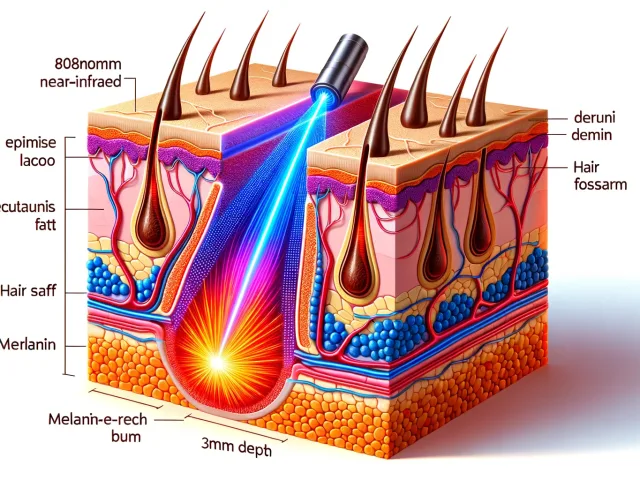
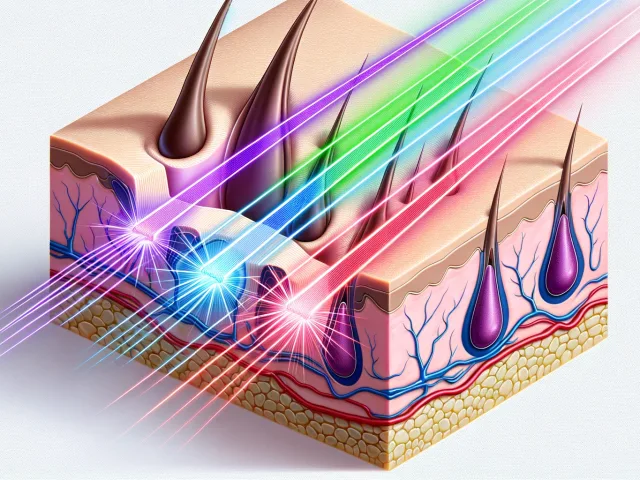
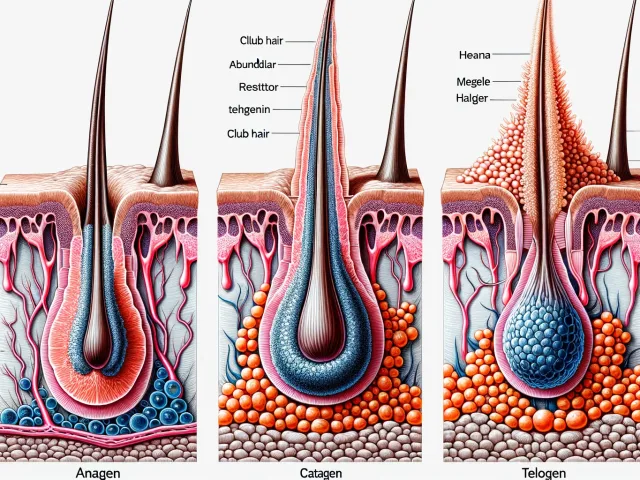
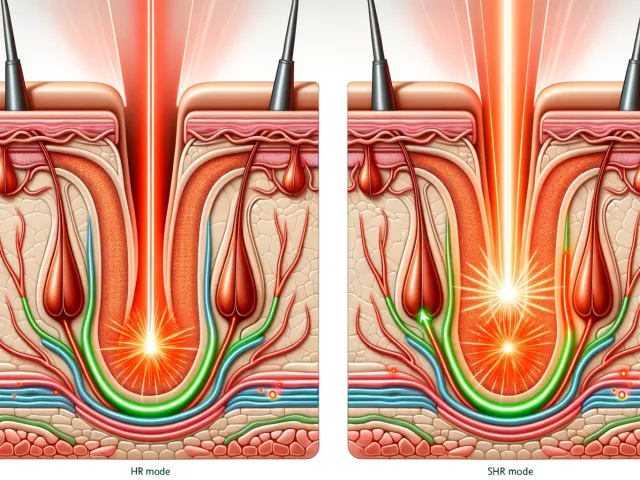
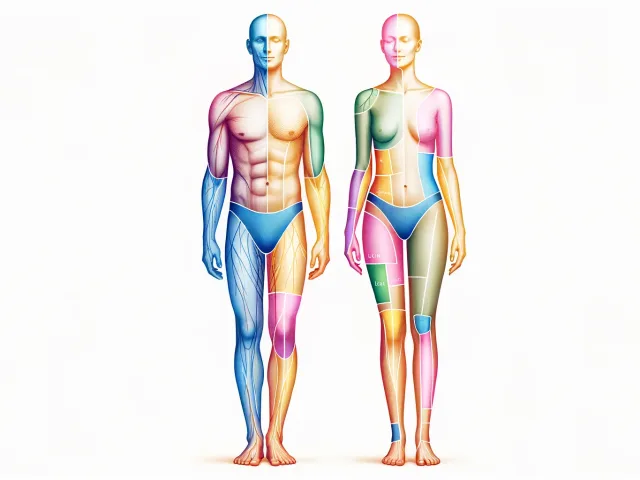
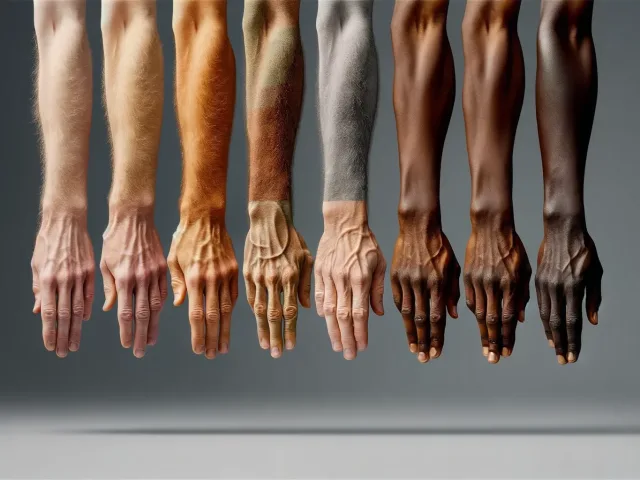
Laser hair removal: a guide to the technologies guideLaser hair removal: a guide to the technologiesAlexandrite, diode, Nd:YAG, IPL: not all light-based hair removal technologies perform equally depending on hair and skin. The guide to understanding…Read appareilEpilPro II: the 808 nm diode laser in detailThe EpilPro II is built on the benchmark wavelength in laser hair removal. Its technologies and technical specifications.Read appareilEpilPro MAX: the 4-wavelength diode laser in detailThe EpilPro MAX combines four wavelengths and two firing modes. Its technologies, its specifications and what versatility changes in the treatment ro…Read glossaireFluence and laser parametersFluence, pulse duration, frequency, spot size: the settings of a hair removal laser explained simply.Read 808 nm diode laser: how it works and its principles technologie808 nm diode laser: how it works and its principlesThe 808 nm diode laser is the most widely used hair removal technology. Why this wavelength, how a session unfolds and what its limits are.Read Multi-wavelength laser: spectral synergy technologieMulti-wavelength laser: spectral synergyCombining 755, 808, 940 and 1064 nm in a single device makes it possible to adapt hair removal to every hair and every skin. The principle and how to…Read The hair growth cycle: why several sessions are needed mecanismeThe hair growth cycle: why several sessions are neededEach hair follows its own rhythm, and the laser can only destroy those that are actively growing. This is the key to explaining to your clients the n…Read glossaireContact cooling in laser hair removalCooling the skin at the moment of the pulse protects the epidermis and improves comfort. The different methods and their advantages.Read glossaire1064 nm wavelength (Nd:YAG)1064 nm is the safest wavelength for hair removal on dark skin. Its key characteristics at a glance.Read glossaire755 nm wavelength (Alexandrite)755 nm is very well absorbed by melanin: it is the wavelength of choice for fair skin and fine hair. Its key characteristics at a glance.Read glossaire808 nm wavelength (standard diode)808 nm is the benchmark wavelength in laser hair removal. Its key characteristics at a glance.Read glossaire940 nm wavelength (advanced diode)940 nm complements 808 nm to reach thick, deep-rooted hair. Its key characteristics at a glance.Read SHR mode or HR mode: two approaches to laser hair removal mecanismeSHR mode or HR mode: two approaches to laser hair removalA single powerful pulse or a series of gentle pulses: HR and SHR modes destroy the follicle differently. How they differ and when to use each.Read Selective photothermolysis: the mechanism that destroys the hair mecanismeSelective photothermolysis: the mechanism that destroys the hairAll laser hair removal rests on a principle published in 1983: heating a precise target without damaging what surrounds it. The three conditions that…Read Laser hair removal: body areas and protocols applicationLaser hair removal: body areas and protocolsUpper lip, underarms, bikini line, legs, back: each area has its own session length, pace and precautions. Guidelines for building your packages.Read Laser hair removal and skin types: from fair to dark skin applicationLaser hair removal and skin types: from fair to dark skinYour client's skin type determines the wavelength, the settings and the number of sessions. Guidelines for safely treating every skin tone.Read
Pillar

Skin firming: non-invasive technologies

HIFU, radiofrequency, LED: three ways to restart collagen production and firm the skin without surgery. How they work and how to combine them.

guideSkin firming: non-invasive technologiesHIFU, radiofrequency, LED: three ways to boost collagen and firm the skin without surgery. How they work and how to combine them.Read mecanismeHow radiofrequency firms the skinWhy a radiofrequency session gives a temporary radiance boost, and why a course of treatment is needed for a lasting result. The two-stage mechanism.Read glossaireCollagen fibres and skin ageingCollagen gives the skin its strength and structure. Understanding how it ages helps explain what firming treatments can offer, and why prevention mat…Read technologieHIFU: high-intensity focused ultrasoundHIFU concentrates ultrasound on a precise point beneath the skin to create a small thermal point there. How it works, treatment depths and difference…Read technologieRed and infrared LED in aesthetics: photobiomodulationLED stimulates skin cells with light, without heat or pain. How photobiomodulation works and the indications for using it.Read technologieRadiofrequency in aesthetics: principles and how it worksRadiofrequency gently heats the dermis to firm the skin. How it works, the difference between monopolar and bipolar, and how to build a course of tre…Read mecanismeThe SMAS: the key layer in non-surgical liftingThe SMAS is the layer the surgeon tightens during a facelift. It is also the layer targeted by HIFU at 4.5 mm. Understanding its role helps explain a…Read glossaireHIFU treatment depths: 1.5, 3 and 4.5 mmThe three treatment heads of a HIFU device each target a layer of the skin. What each one brings and how to sequence them in a protocol.Read applicationNon-surgical facelift: alternatives to the scalpelHIFU, radiofrequency, LED: how to redefine the facial contour and firm the face without surgery, which technology for which area, and what results to…Read glossaireThe biphasic effect in HIFU: understanding and avoiding the riskMore HIFU does not give a better result: beyond a certain dose, the skin can become lax instead of firmer. What the biphasic effect is and how to gua…Read glossaireThe cavitation effect in aesthetic ultrasoundCavitation is not a single phenomenon: depending on intensity, the bubbles oscillate gently or implode. Understanding this difference helps you set u…Read mecanismeNeocollagenesis: the natural production of new collagenFirming treatments do not "make" collagen: they prompt the skin to produce it. Understanding this process explains why results build up over several …Read applicationCellulite treatment: technological approachesCellulite is not a matter of "toxins": it comes down to skin structure, hormones and circulation. What technologies can do, and how to combine treatm…Read appareilUltraLift III: facial HIFU in detailThe UltraLift III is a three-head HIFU device for firming the face and neck. How it works, how a session runs and the safety rules.Read

Pillar

Non-invasive slimming: technologies and methods

Non-invasive slimming covers the techniques that reduce localised fat deposits and reshape the silhouette without surgery. Here is how they work and how to choose between them.

guideNon-invasive slimming: technologies and methodsNon-invasive slimming covers the techniques that reduce localised fat deposits and reshape the figure without surgery. Here is how they work and how …Read glossaireAlternating heat and cold in cryolipolysisSome cryolipolysis devices insert warm phases between the cold phases. The principle, the intended effects and how it unfolds during a session.Read mecanismeAdipocyte apoptosis: programmed cell death triggered by coldIn cryolipolysis, cold does not destroy fat cells abruptly: it triggers their programmed death, known as apoptosis. This mechanism explains why resul…Read appareilBodyPerfect III: the 5-in-1 technology in detailThe BodyPerfect III combines radiofrequency, cavitation, suction, palper-rouler and LED. How each technology works and how they complement one anothe…Read appareilBodyShape III: EMT muscle stimulation in detailThe BodyShape III produces muscle contractions that cannot be achieved through exercise. The principle of EMT, how a course of treatment unfolds and …Read technologieUltrasonic cavitation (lipocavitation)Lipocavitation uses low-frequency ultrasound to weaken fat cells. Principle, settings and where the technique fits among slimming treatments.Read mecanismeHow ultrasound acts on fat cellsUltrasonic cavitation relies on a simple physical phenomenon: microbubbles that form and then implode in the fatty tissue. A step-by-step explanation.Read mecanismeSupramaximal contractions: how EMT works the muscle without effortA supramaximal contraction exceeds what the muscle can produce voluntarily. It is the core of EMT technology: here is how it is achieved and what it …Read technologieCryolipolysis: how it works and its principlesCryolipolysis uses controlled cold to eliminate some of the fat cells in an area, without surgery. Principle, how a session unfolds and precautions.Read technologieEMT / HIFEM: electromagnetic muscle stimulationEMT and HIFEM refer to the same family of technologies: an intense electromagnetic field that makes the muscle contract without effort. Principle, se…Read appareilIceSlim IV: four-applicator cryolipolysisThe IceSlim IV is presented in the wiki as a cryolipolysis device with four applicators and alternating heat and cold. What the source describes.Read glossaireSubcutaneous adipose tissueThe fat beneath the skin is the target of non-invasive slimming treatments. Understanding its structure and role helps you explain to your clients wh…Read applicationMuscle building and non-invasive toningEMT toning makes it possible to strengthen a muscle without voluntary effort. Which areas to treat, for which client profiles and with what limits.Read applicationReducing localised fat without surgeryStomach, flanks, thighs, arms, double chin: each area responds differently depending on the technology. How to advise your client and who to offer th…Read glossaireTesla and power in muscle stimulationThe tesla is the unit expressing the strength of the magnetic field of an EMT device. What does this figure mean and how should you read it on a tech…Read glossaireTreatable areas in non-invasive slimmingNot all areas respond in the same way to slimming treatments. What makes an area treatable, and the points to watch area by area.Read

Pillar

Drainage and circulation: technologies for professionals

Pressotherapy, suction, palper-rouler: several technologies help lymph and venous blood circulate better. How they work and which one to offer your clients.

guideDrainage and circulation: technologies for professionalsPressotherapy, suction, palper-rouler: several technologies help lymph and venous blood to circulate better. How they work and which one to offer you…Read technologieLymphatic drainage by suctionSuction mobilises fluid that has built up in the tissues to support lymphatic drainage. How it works, settings and indications.Read applicationHeavy legs: technological solutionsThe feeling of heavy legs is one of the most frequent requests in the treatment room. Where it comes from, what technologies offer and the advice to …Read mecanismeThe lymphatic system: its role in eliminating wasteThe lymphatic system drains excess fluid and waste from the tissues. Understanding it lets you explain simply to your clients what draining treatment…Read glossaireMicrocirculation and beauty treatmentsMicrocirculation nourishes the skin and clears away its waste. Understanding its role helps explain the effect of draining and firming treatments on …Read technologieMechanical palper-rouler: how it works and how effective it isMechanical palper-rouler reproduces the manual technique of the same name using a motorised head. How it acts on cellulite and circulation, and how t…Read glossairePressure in mmHg: understanding pressotherapy settingsOn a pressotherapy device, pressure is expressed in millimetres of mercury (mmHg). What this unit means and how to choose the pressure level and comp…Read appareilPresso+: professional pressotherapy in detailThe Presso+ is a pressotherapy device with 8 compartments. How it works, its accessories and how to build a protocol according to your client's needs.Read technologiePressotherapy: sequential pneumatic compressionPressotherapy inflates and deflates compartments around the legs, arms or stomach to boost circulation. Principle, settings and its place alongside m…Read mecanismeVenous return and venous stasisHow blood travels from the legs back to the heart, why it sometimes stagnates, and what a professional can offer or should refer to a doctor.Read applicationMuscle and sports recoveryAfter intense exercise, the muscle must clear its waste, replenish its reserves and repair itself. How pressotherapy fits into a recovery routine.Read glossaireOedema and water retention: non-invasive approachesSwollen ankles, a feeling of water retention: not all oedemas are alike. Knowing how to tell them apart lets you offer the right treatment and refer …Read

In the treatment room

Treatments, technique by technique.

What each technique adds to your treatment menu, and the devices that offer it.
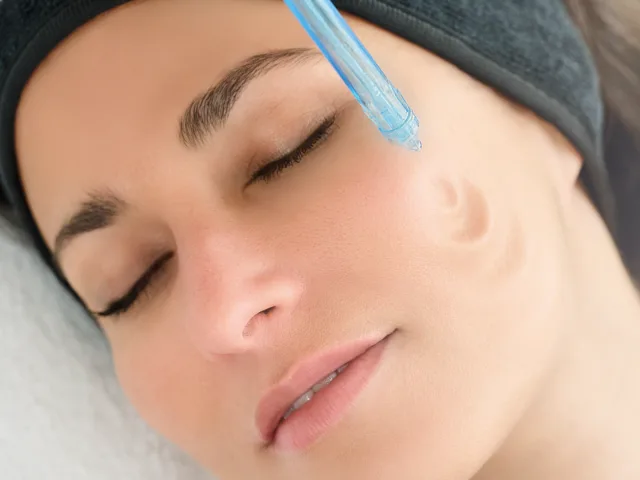
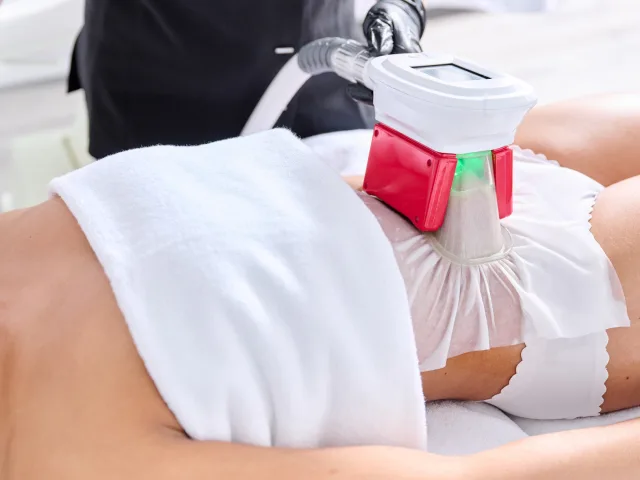
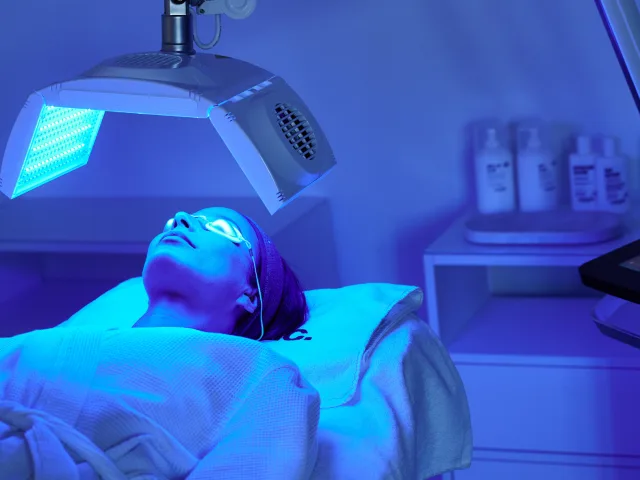
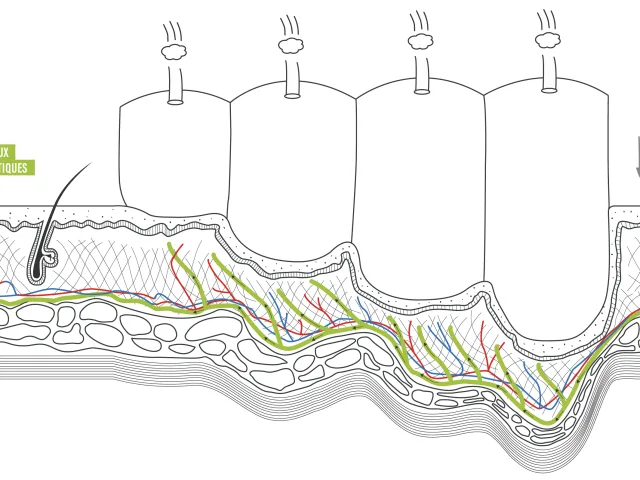
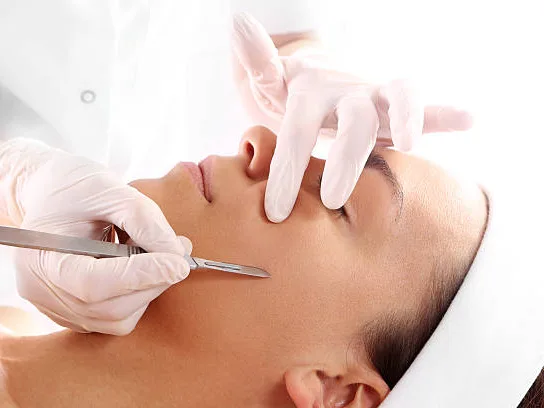
Barophoresis BarophoresisA needle-free treatment that propels a serum in micro-droplets using a pressurised air jet: gentle exfoliation, oxygenation and infusion of active in…Read Cryolipolysis CryolipolysisLocalised slimming using cold: fat cells, which are sensitive to cold, are crystallised and then eliminated naturally, with no needles and no social …Read LED photobiomodulation LED photobiomodulationLED light stimulates skin cells without heat or pain. On its own or at the end of a treatment, it soothes, regenerates and prolongs the effect of you…Read Pressotherapy PressotherapySequential compression using compressed air that stimulates blood and lymphatic circulation: lighter legs, reduced water retention and a softened app…Read Dermaplaning DermaplaningA manual blade exfoliation that removes dead cells and vellus hair from the face, for smoother skin that is more receptive to treatments, with no rec…Read Microneedling MicroneedlingA micro-needle pen creates invisible micro-perforations that boost collagen and elastin and open the skin to the active ingredients in serums, for a …Read Chemical peels Chemical peelsA chemical peel exfoliates the skin using acids. In the treatment room, a superficial peel treats blemishes, pigmentation marks, wrinkles and dullnes…Read EMT, electromagnetic muscle stimulation EMT, electromagnetic muscle stimulationA focused electromagnetic field triggers intense, involuntary muscle contractions to tone the figure and reduce localised fat without effort.Read HIFU, the non-surgical lift HIFU, the non-surgical liftHigh-intensity focused ultrasound heats precise points beneath the skin to tighten the facial contour, neck and décolleté, with no injections or scal…Read Hydro-microdermabrasion Hydro-microdermabrasionDeep cleansing using suction, water and microbubbles, combined with the infusion of lotions: a gentle, hydrating exfoliation suitable for all skin ty…Read Electroporation, needle-free mesotherapy Electroporation, needle-free mesotherapyBrief electrical pulses temporarily open the cell membrane to allow hyaluronic acid, vitamins and peptides to penetrate, with no needles and no pain.Read Permanent hair removal with diode laser Permanent hair removal with diode laserThe guide to permanent hair removal in the treatment room: principle, laser or IPL, number of sessions, precautions, contraindications and choosing a…Read Total Body Solution Total Body SolutionA four-step slimming programme combining cryolipolysis, radiofrequency and cavitation, EMT muscle stimulation and then home care, to treat the figure…Read

No obligation

Let’s talk about your project.

Leave us your details: a consultant from your region will get back to you to review your needs.

* Required field. We reply by email. Your data is processed in accordance with our privacy policy.