Contents 4 sections
Every spring the same scene plays out: clients who want smooth legs for July discover that it takes several months. Laser hair removal cannot be caught up at the last minute.
The good news is that the ideal season to start is the one just beginning: autumn. The skin has lost its tan, and there are enough weeks left to run the sessions through before summer.
Why untanned skin
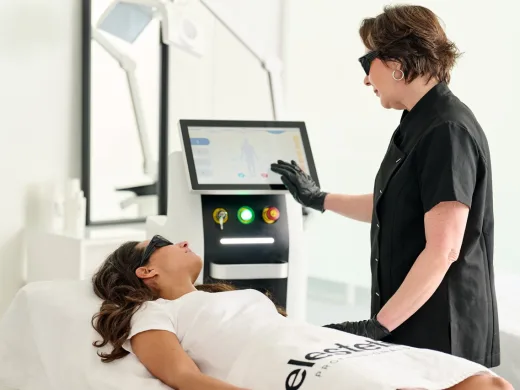
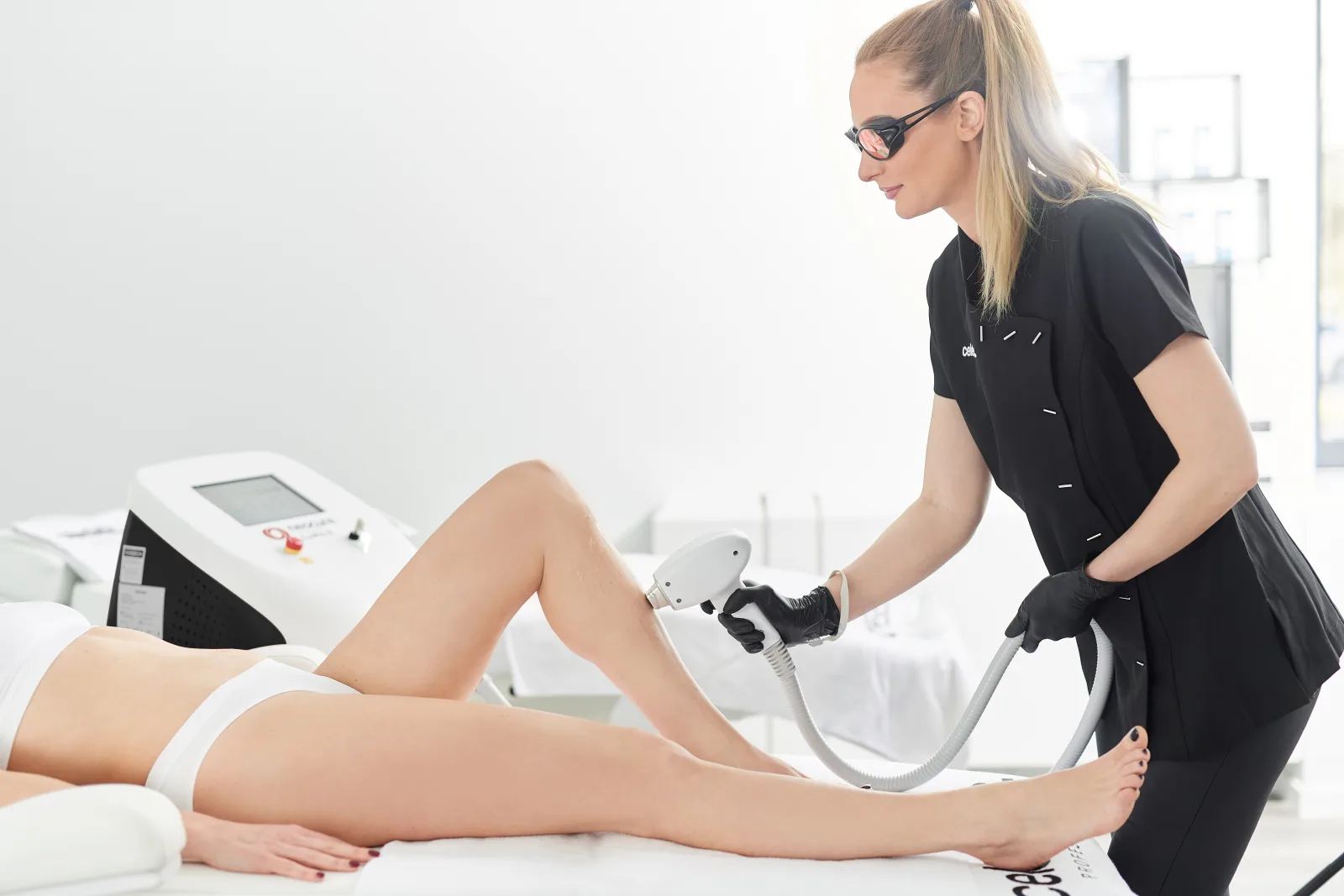
Laser works through selective photothermolysis: the light energy targets the melanin in the hair to destroy the follicle while sparing the surrounding tissue. On tanned or recently exposed skin, the melanin in the epidermis increases and competes with that of the hair.
The result: less energy for the hair, and a markedly higher risk of burns and pigmentation after the session. Phototype does not change, but tanned skin reacts like darker skin.
Why it takes time: the hair cycle
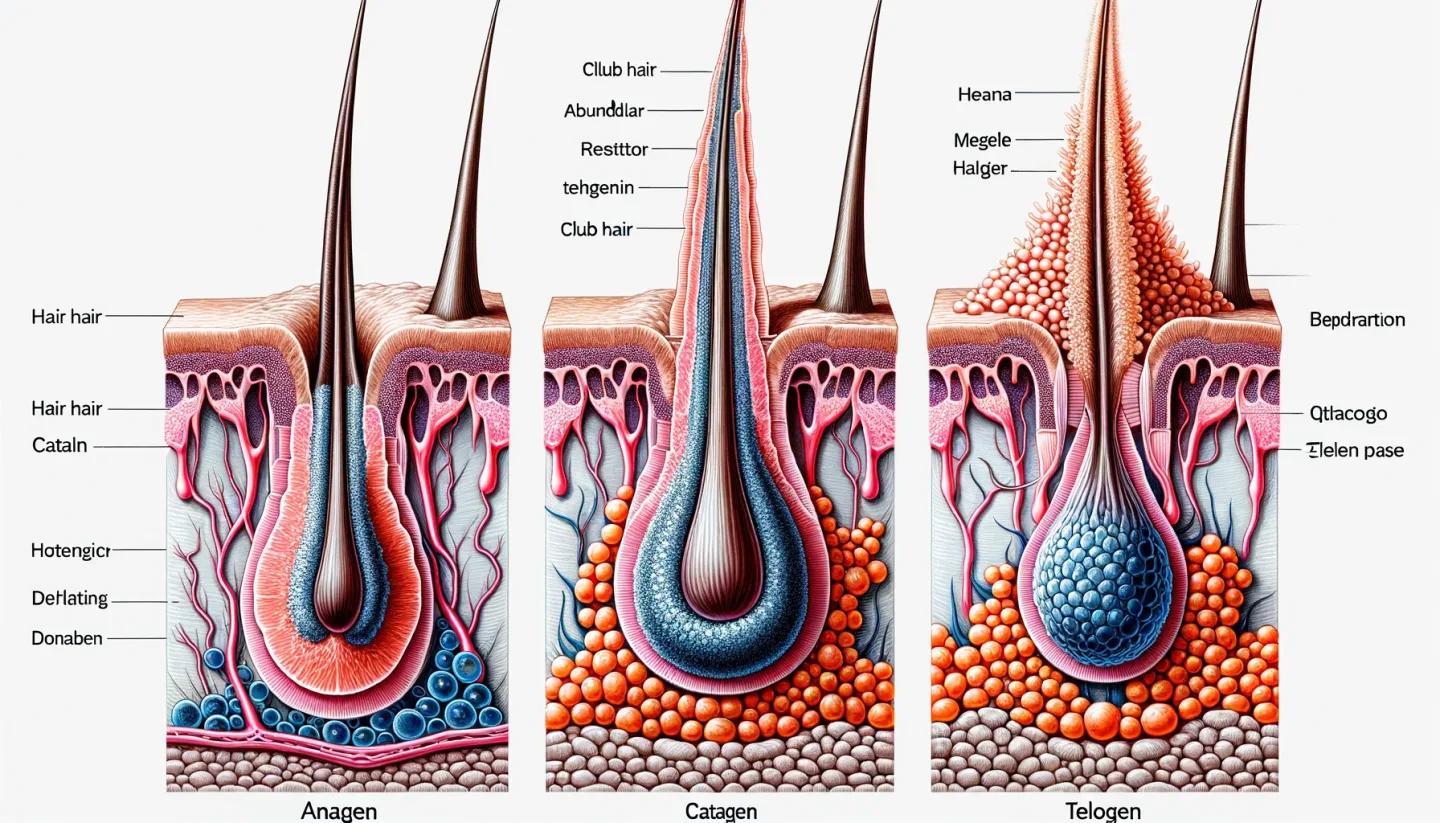
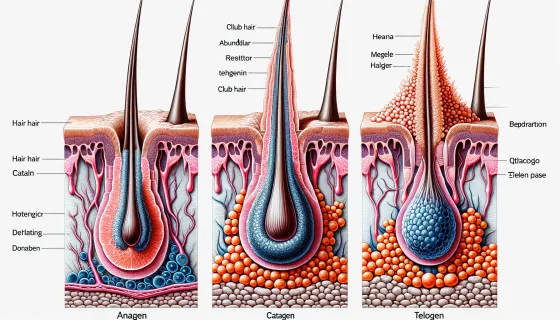
Laser only acts on hairs in the growth phase (anagen): pigmented and still attached to their root, they conduct heat down to the cells that produce the hair. At any given moment, only part of the hairs in an area are in that phase. Each session treats that fraction; the next catches the ones that started growing in the meantime.
Increasing the power does not allow fewer sessions: mainly, it increases the risk of burns.
Spacing sessions by area
| Area | Interval between two sessions |
|---|---|
| Face, legs, arms, nape | 4 to 6 weeks |
| Underarms, bikini line, back, chest | 6 to 8 weeks |
The calendar to offer
Count on at least six sessions on the same area, often more on phototypes V and VI, where more cautious settings call for more sessions and longer intervals. Starting in mid-October, a client can have finished her series for the legs in April, and the one for underarms or bikini line in June.
- 6sessions
- minimum on a single area to get rid of the hair
- 4 to 6weeks
- between two sessions on the face, legs and arms
- 6 to 8weeks
- for the underarms, bikini line, back and chest
Sources: EAOT diode laser hair removal training and the Teonia hair cycle guide.
What it changes for your business
Planning ahead also smooths out your workload. Courses started in autumn fill the diary during a quieter period, avoid the May bottleneck and limit the sessions left to run in peak sun season. The packages, made necessary by the number of sessions, keep the client with you for several months.
This is the right moment to launch a "summer-ready" offer: in the window, by newsletter or on your social media.
Equipment
A laser for every skin
The EpilPro MAX brings together four wavelengths (755, 808, 940 and 1064 nm) to match every session to the phototype, from I to VI, and to the hair type.
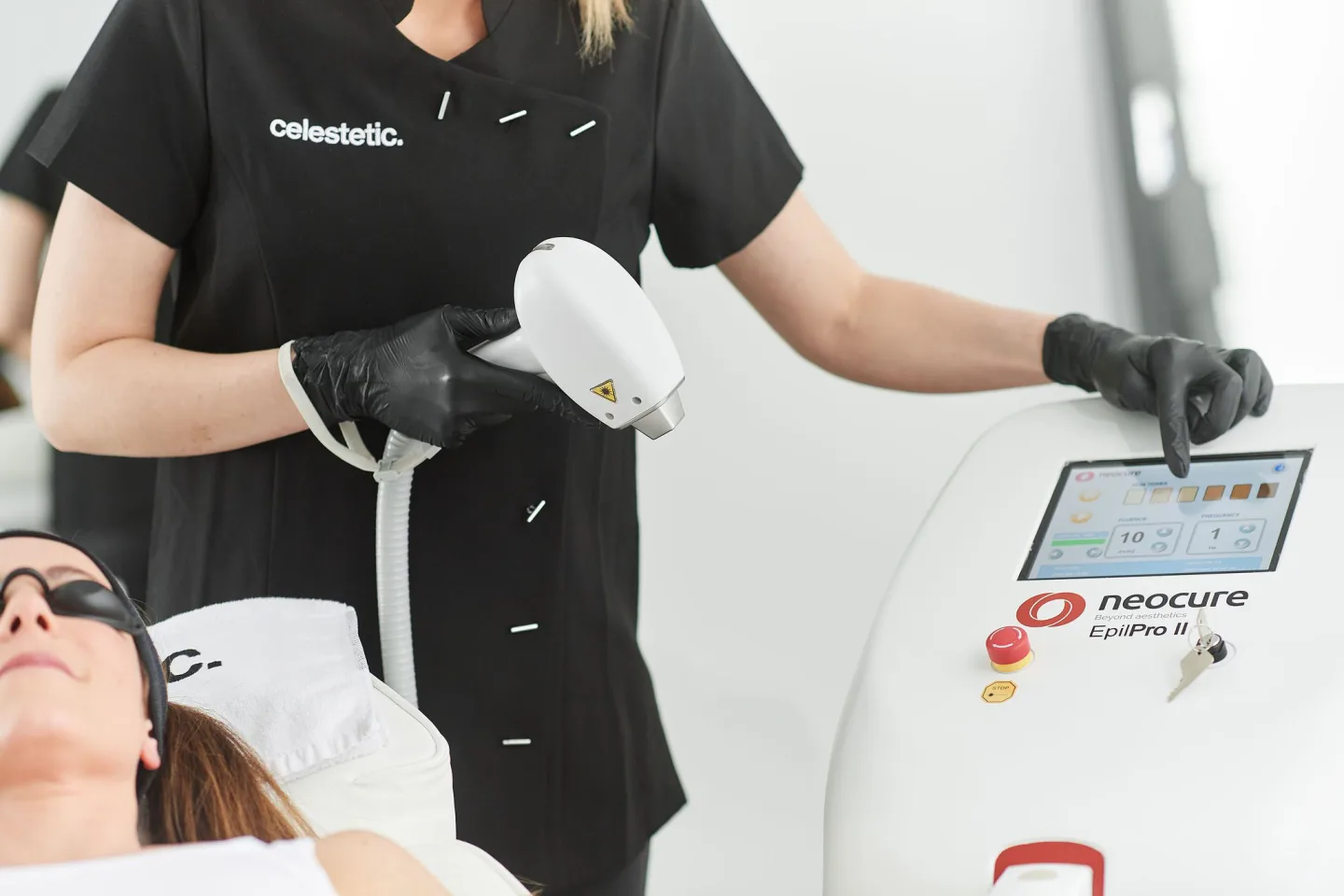
To start out with a compact device, the EpilPro II relies on 808 nm, the reference wavelength, with built-in protocols by phototype.
Further reading
 Guide technologie
The hair growth cycle: why several sessions are needed
Each hair follows its own rhythm, and the laser can only destroy those that are actively growing. This is the key to explaining t…
 Guide technologie
Laser hair removal and skin types: from fair to dark skin
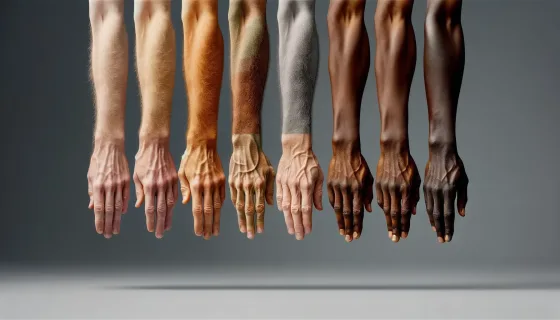
Your client's skin type determines the wavelength, the settings and the number of sessions. Guidelines for safely treating every …
Article
Phototypes: adapting every treatment, from light to black skin
Laser, peels, heat-based devices: the same protocol does not give the same result on light and on dark skin. What phototype chang…
 Formation EAOT
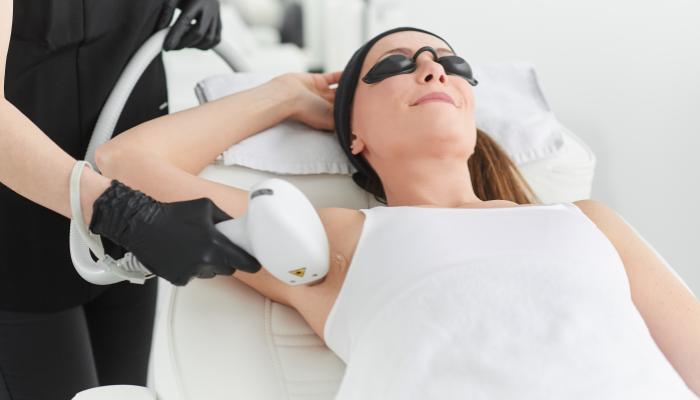
Diode laser hair removal training
Performing laser hair removal safely and building packages that keep clients coming back.